If you’re managing a hospital today, you know the challenge: dozens of equipment vendors, conflicting maintenance schedules, and service gaps that appear at the worst possible moments. You’ve probably wondered if there’s a better way than juggling multiple contracts and chasing down different service teams.
There is—and understanding the difference between traditional Healthcare Technology Management (HTM) and modern Healthcare Technology Solutions (HTS) could change how your facility operates. This evolution reflects broader changes in healthcare technology complexity and the need for more integrated approaches to equipment management.
Traditional Healthcare Technology Management (HTM): Foundation and Limitations
What HTM Has Always Done Well
Healthcare Technology Management emerged decades ago as hospitals recognized the need for systematic equipment oversight. HTM encompasses the essential processes that keep medical devices operational: preventive maintenance, repairs, safety checks, and compliance documentation. From MRI systems to surgical equipment, HTM professionals ensure your technology meets regulatory standards and maintains functionality.
These fundamentals remain critical to hospital operations. Every facility needs scheduled maintenance programs, regulatory compliance tracking, equipment calibration services, and lifecycle documentation. HTM established these practices as healthcare industry standards, creating the foundation for safe, reliable equipment operation across all medical specialties.

Where Traditional HTM Encounters Limitations
Traditional HTM wasn’t designed to handle today’s complex, interconnected healthcare environment. Most HTM programs operate through multiple specialized vendors: one for imaging equipment, another for laboratory devices, a third for biomedical systems. Each vendor brings their own processes, documentation systems, and service schedules.
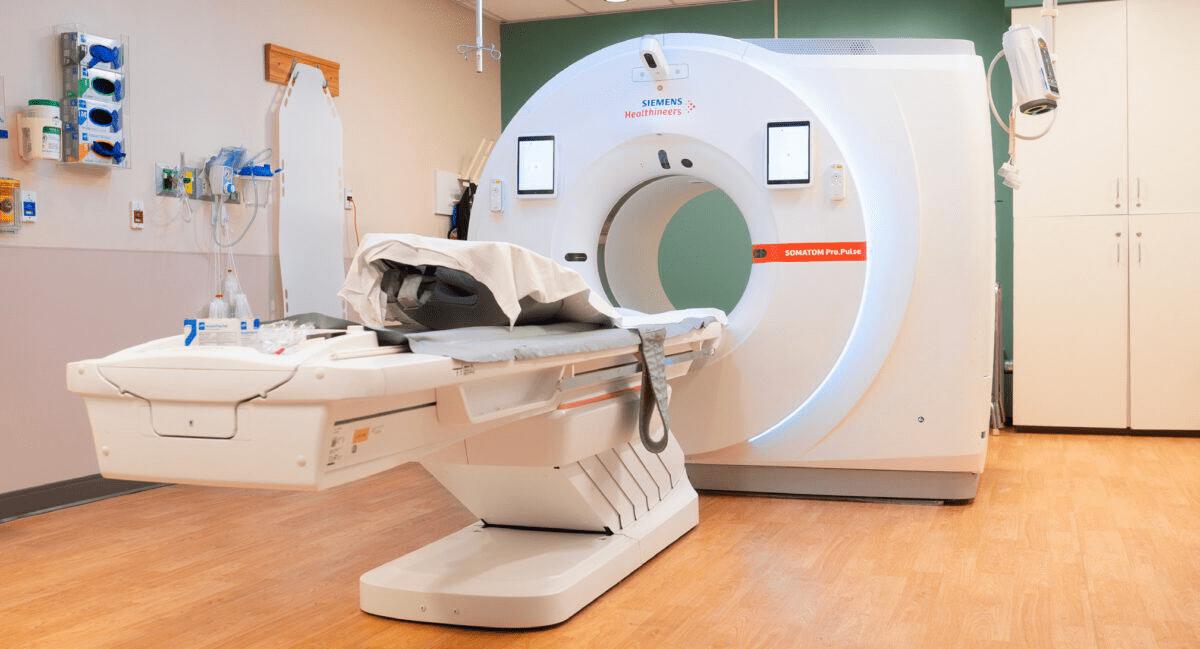
This plays out in familiar ways: Your CT scanner needs service, so you contact vendor A. Your ultrasound system has issues, that’s vendor B. The anesthesia equipment requires attention—vendor C handles that. You’re managing a web of relationships, each operating independently. When problems span multiple systems, no single team has complete visibility into the interconnected nature of modern medical equipment.
This fragmented approach often results in several operational challenges:
- Reactive maintenance rather than strategic planning
- Equipment downtime that could disrupt patient care
- Coordination difficulties between vendors who rarely communicate
- Missed opportunities for system-wide optimization
- Higher costs from duplicated efforts and emergency repairs
Healthcare Technology Solutions (HTS): A Comprehensive Approach
More Than Maintenance—Comprehensive Technology Management
Healthcare Technology Solutions (HTS) represents an evolution from traditional HTM approaches. While HTM focuses on keeping individual pieces of equipment running, HTS takes a comprehensive view of your entire technological ecosystem. The fundamental difference lies in scope and integration: HTS providers work to prevent problems rather than just respond to them and optimize entire workflows rather than maintain isolated equipment.
READ MORE: How Healthcare Technology Solutions Improve Uptime and Efficiency
This approach requires understanding clinical workflows, anticipating needs before they become urgent, and aligning technology management with broader operational goals. HTS is designed to be proactive and integrated, addressing the complex interdependencies that characterize modern healthcare technology environments.
The Multi-Vendor Integration Advantage
One of the most significant advantages HTS offers is comprehensive multi-vendor capability. Instead of maintaining relationships with numerous specialized vendors, facilities can work with providers equipped to handle diverse equipment types across multiple specialties: angiography systems, mammography equipment, surgical C-arms, and beyond.
Key Operational Differences: HTM vs HTS Comparison
Reactive Maintenance vs. Predictive Technology Management
HTM typically follows manufacturer-recommended maintenance schedules, which are important but potentially inflexible. Equipment receives service based on calendar intervals rather than actual need, and problems can still emerge between scheduled visits.
Advanced HTS providers increasingly employ predictive analytics and performance monitoring to anticipate issues before they impact operations. By analyzing real-time performance data, usage patterns, and historical maintenance records, they can identify when components are likely to require attention. This predictive approach allows for proactive intervention with appropriate parts and expertise ready when needed.
Benefits of Healthcare Technology Solutions
Operational Efficiency and Cost Management
When healthcare facilities implement comprehensive HTS programs, several operational improvements typically emerge:
- Unified communication through a single point of contact for all equipment issues
- Standardized documentation and reporting across all device types
- Integrated maintenance scheduling that minimizes workflow disruption
- Comprehensive performance analytics that support strategic decision-making
- Reduced administrative burden on clinical and engineering staff
The financial benefits often follow from these operational improvements. HTS providers can deliver cost efficiencies through economies of scale, optimized inventory management, and reduced emergency repair incidents. More importantly, they provide strategic insights about equipment lifecycle management, technology upgrade timing, and return on investment analysis.
READ MORE: How Healthcare Technology Solutions Improve Uptime and Efficiency
Addressing Modern Healthcare Technology Challenges
Today’s healthcare technology environment presents challenges that didn’t exist when traditional HTM was developed. Cybersecurity threats increasingly target medical devices. Cross-technological compatibility requirements affect care coordination and quality. Regulatory compliance grows more complex each year. Value-based care models demand maximum efficiency from every technology investment.
Traditional HTM addresses these challenges individually, if at all. HTS providers approach them systematically, ensuring equipment not only functions properly but integrates securely, meets evolving standards, and supports future innovation requirements. This comprehensive approach is particularly important as healthcare technology becomes more interconnected and dependent on network communications.
Implementing Healthcare Technology Solutions
Selecting HTS Providers
When evaluating Healthcare Technology Solutions providers, facilities should consider several key factors:
- Multi-vendor certification and expertise across the full range of medical equipment types
- Predictive maintenance capabilities and advanced analytics platforms
- Integration experience with existing hospital systems and workflows
- Regulatory compliance and quality management certifications
- Strategic planning support and technology lifecycle management
- Local presence and rapid response capabilities
The most effective HTS partnerships combine technical expertise with deep understanding of healthcare operations and genuine commitment to facility success. Established providers like Centella have served healthcare facilities for decades, and have demonstrated how strong customer relationships pave the way forward in medical imaging towards positive results.
Conclusion
The evolution from Healthcare Technology Management to Healthcare Technology Solutions is more than a change in terminology. It’s a fundamental shift in how hospitals approach their technology strategy. While traditional HTM keeps equipment running, HTS transforms technology management into a strategic advantage.
The key differentiators are clear: integrated multi-vendor support versus fragmented relationships, predictive maintenance over solely reactive repairs (which will always exist), and comprehensive workflow optimization versus isolated equipment focus. Healthcare facilities that embrace the HTS position themselves to meet the complex demands of modern healthcare delivery while maximizing their technology investments.
As healthcare continues to evolve toward value-based care and operational efficiency, the integrated approach that Healthcare Technology Solutions provides becomes not just beneficial, but essential. The question isn’t whether to make this transition, but when and with whom.

Ready to explore how Healthcare Technology Solutions can transform your facility’s operations? Contact Centella to discuss your technology management strategy and discover how our comprehensive approach can support your operational goals and patient care objectives.