
Healthcare leaders are under constant pressure to do more with less—reduce costs, improve efficiency, and maintain uninterrupted patient care.
So, when it comes time to evaluate service contracts, it’s tempting to choose the lowest price.
But here’s the reality: the cheapest vendor is rarely the most cost-effective.
The true cost of service doesn’t show up on the contract; it shows up in your operations.
The Hidden Costs Behind “Lower Price”
When imaging equipment goes down, the impact is immediate:
- Procedures are delayed or canceled
- Staff productivity drops
- Revenue is lost
- Patient experience suffers
What many organizations don’t see upfront are the factors that drive these outcomes, like response time, technician proximity and expertise.
As highlighted in our recent white paper, these performance indicators often remain invisible during sourcing but become painfully clear months into a contract.
The One Metric That Predicts It All: NPS
Net Promoter Score (NPS) is often thought of as a customer satisfaction metric.

In healthcare technology services, it’s much more than that.
It’s a leading indicator of operational performance.
High NPS providers consistently deliver:
- Faster response times
- Higher first-visit resolution rates
- More proactive maintenance
- Stronger operational alignment
In fact, the industry average NPS for healthcare technology services sits around +58. Vendors below this threshold tend to introduce more downtime, more repeat service calls, more administrative burden and overall dissatisfaction.
Where Performance Becomes Financial Impact
1. Downtime = Lost Revenue
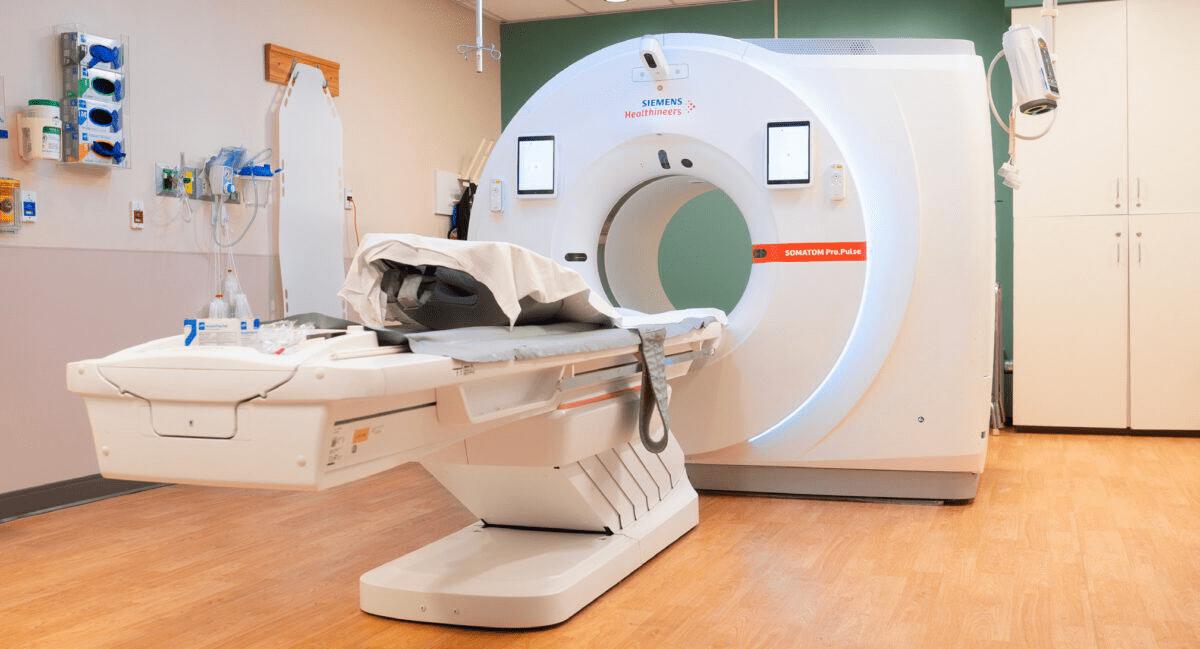
When a CT scanner goes down, the cost isn’t theoretical.
A single system can generate $500–$800 per procedure, and just a few hours of downtime can result in thousands in lost revenue from canceled appointments.
Now layer in repeat visits and extended outages, and that “lower-cost” contract quickly becomes the more expensive option.

2. Reactive Service Drives Higher Costs
Emergency repairs don’t just happen. They’re often the result of reactive service models.
And, they’re expensive.
- Emergency repair: $2,500–$8,000
- Proactive maintenance: $800–$2,500
Facilities that reduce emergency events through proactive service can avoid tens of thousands in annual costs, before even accounting for preserved uptime.

3. Managing Multiple Vendors Drains Time
Many organizations rely on multiple OEM service contracts across their imaging fleet.
On paper, this may seem like the safest approach.
In practice, it creates:
- Fragmented data and reporting
- Scheduling conflicts
- Multiple service portals
- Lack of accountability
The result? Clinical engineering teams spend valuable time managing vendors instead of focusing on performance and patient care.

4. Lack of Strategic Planning Leads to Bigger Problems
Without a proactive partner, equipment management becomes reactive:
- Replacements happen too late
- Budgets are misaligned
- Technology falls behind
High-performing service partners go beyond maintenance; they provide lifecycle planning that aligns equipment strategy with long-term organizational goals. That lifecycle view is exactly what should guide evaluating an MRI service company before signing a multi-year contract.

Why High-NPS Partners Deliver More Value
There’s a reason high-NPS providers consistently outperform.
Their incentives are aligned with yours.
They succeed by:
- Minimizing downtime
- Preventing failures
- Improving operational efficiency
- Delivering long-term value, not short-term fixes
That alignment translates into measurable outcomes:
- Fewer canceled procedures
- Lower total cost of ownership
- Reduced administrative burden
- More predictable budgets

The Bottom Line: Performance Drives Cost Control
Choosing a service partner isn’t just a financial decision; it’s an operational one.
And in healthcare, operational performance directly impacts patient care.
The takeaway is simple:
Price is what you pay. Performance is what determines what it actually costs you.

📄 Want the full breakdown?
Download the white paper: Why Quality Beats Contract Price, Every Time: The Case for High-NPS Health Technology Partners, to explore the data behind these trends and what they mean for your organization.
Source: Centella, “Why Quality Beats Contract Price, Every Time: The Case for High-NPS Health Technology Partners,” 2026.